Understanding Auto Window Tinting
What is Auto Window Tint?
Auto window tinting involves the application of a thin film to the windows of a vehicle. This film is designed to reduce glare, enhance privacy, and block harmful UV rays. Window tints come in various shades and materials, each providing unique benefits tailored to individual needs. The installation is typically performed on the interior side of the glass, ensuring a seamless finish that enhances the vehicle's aesthetics while providing functional advantages.
Benefits of Auto Window Tinting
Installing window tint on your vehicle offers a multitude of benefits that extend beyond mere aesthetic appeal. Here’s an in-depth look at these advantages:
- UV Protection: One of the most significant benefits is the protection against harmful UV radiation. High-quality tints can block up to 99% of these rays, reducing the risk of skin cancer and protecting the car's interior from fading.
- Heat Reduction: Tinted windows can significantly lower the temperature inside a vehicle, making it more comfortable during hot days. This cooling effect can also result in less reliance on air conditioning, potentially improving fuel efficiency.
- Glare Reduction: The glare from the sun can be a dangerous distraction while driving. Window tinting reduces this glare, providing clearer visibility and enhancing safety.
- Privacy and Security: Tints add a layer of privacy, preventing prying eyes from seeing inside the vehicle. This can discourage break-ins and theft.
- Increased Comfort: Overall, window tinting creates a more comfortable driving experience by improving temperature regulation and reducing glare.
- Enhanced Aesthetics: Beyond functional benefits, window tinting can improve the visual appeal of a vehicle, giving it a sleek, polished look.
Different Types of Window Tinting Films
Choosing the right window tinting film is crucial for achieving your desired outcomes. Here are the primary types of films available:
- Dyed Window Film: This is the most common type, created by applying a dye to a film that limits heat entry. It’s affordable and provides a uniform look, but may not offer the highest UV protection.
- Metalized Window Film: This option incorporates tiny metallic particles that enhance heat rejection and reduce glare. It’s more durable and provides better UV protection but may interfere with electronic devices due to signal blocking.
- Ceramic Window Film: Known for its superior performance, ceramic films don’t contain metal, making them non-reflective. They provide excellent UV blocking, heat rejection, and clarity without interfering with cellular signals.
- Carbon Window Film: This film offers heat rejection similar to metalized films but without the signal interference. Additionally, it doesn’t fade over time like dyed films, making it a durable choice.
- Hybrid Window Film: Combining dyed and metalized properties, hybrid films offer a balance between aesthetics and functionality. They reduce glare and enhance privacy without significant signal interference.
Finding Auto Window Tint Near Me
How to Search for Local Services
Finding reliable auto window tint near me can enhance your tinting experience. Start by conducting a local search using online search engines or mapping services. To refine your results, utilize keywords like "window tinting," "auto tint shops," or "car window tint near me." You can also ask for recommendations from friends or family members who have had similar services done.
Reading Customer Reviews and Testimonials
Before selecting a window tinting provider, it’s essential to evaluate their reputation in the community. Platforms such as Google, Yelp, and social media can provide insight into customer experiences. Look for reviews that highlight the quality of materials used, the expertise of the staff, and the overall satisfaction of previous clients. Customer testimonials can provide valuable information about the professionalism and reliability of the service provider.
Comparing Pricing Options
Costs for window tinting can vary significantly based on vehicle size, tint type, and service provider. Always get multiple quotes and ensure you understand what’s included in the price—such as warranties or additional services. It’s wise to balance cost with quality; choosing the cheapest option may result in subpar installation or materials.
Choosing the Right Tint for Your Vehicle
Factors to Consider for Tint Selection
Selecting the appropriate tint for your vehicle requires careful consideration of several factors:
- Local Climate: In warmer regions, a darker film that provides more heat rejection may be more beneficial, while cooler climates might require lighter tints that offer minimal heat reduction.
- Vehicle Usage: Consider how you use your vehicle. If you often travel with passengers or transport valuables, a darker tint might enhance privacy.
- Legal Restrictions: It's essential to be aware of the legal limits on window tinting in your jurisdiction, as these can impact your selection.
- Personal Preference: The aesthetic appeal of the tint should match your vehicle’s style and your personal taste.
- Warranty and Lifespan: Check the lifespan of the tint and what warranty options are available, as this can affect long-term satisfaction.
Legal Regulations on Window Tinting
Window tinting laws vary extensively by state and country. In many places, regulations dictate how dark your tint can be, especially on the front windshield and front side windows. It's vital to research your area’s laws to avoid fines or being required to remove the tint. Most regulations refer to Visible Light Transmission (VLT), which indicates the percentage of light allowed through the tinted glass.
Professional vs. DIY Tinting
Choosing between professional installation and a DIY approach can influence the tint's effectiveness and appearance:
- Professional Tinting: Hiring experts ensures a high-quality installation with access to premium materials, and often comes with warranties. Professionals have the skills to avoid common pitfalls, such as bubbles or peeling.
- DIY Tinting: While more cost-effective, DIY tinting requires significant skill and patience. Poor results due to improper measurement or application can affect aesthetics and performance. If you’re committed to doing it yourself, ensure you have the right tools and materials.
Window Tint Installation Process
Preparing Your Vehicle for Tinting
Proper preparation is vital for a successful tint installation. This process typically involves cleaning the windows thoroughly to remove any dirt, grease, or debris that could affect adhesion. You might also want to remove any window films or accessories that could interfere with the installation. Ensuring that your vehicle is parked in a dust-free, shaded area can also be beneficial.
The Installation Steps
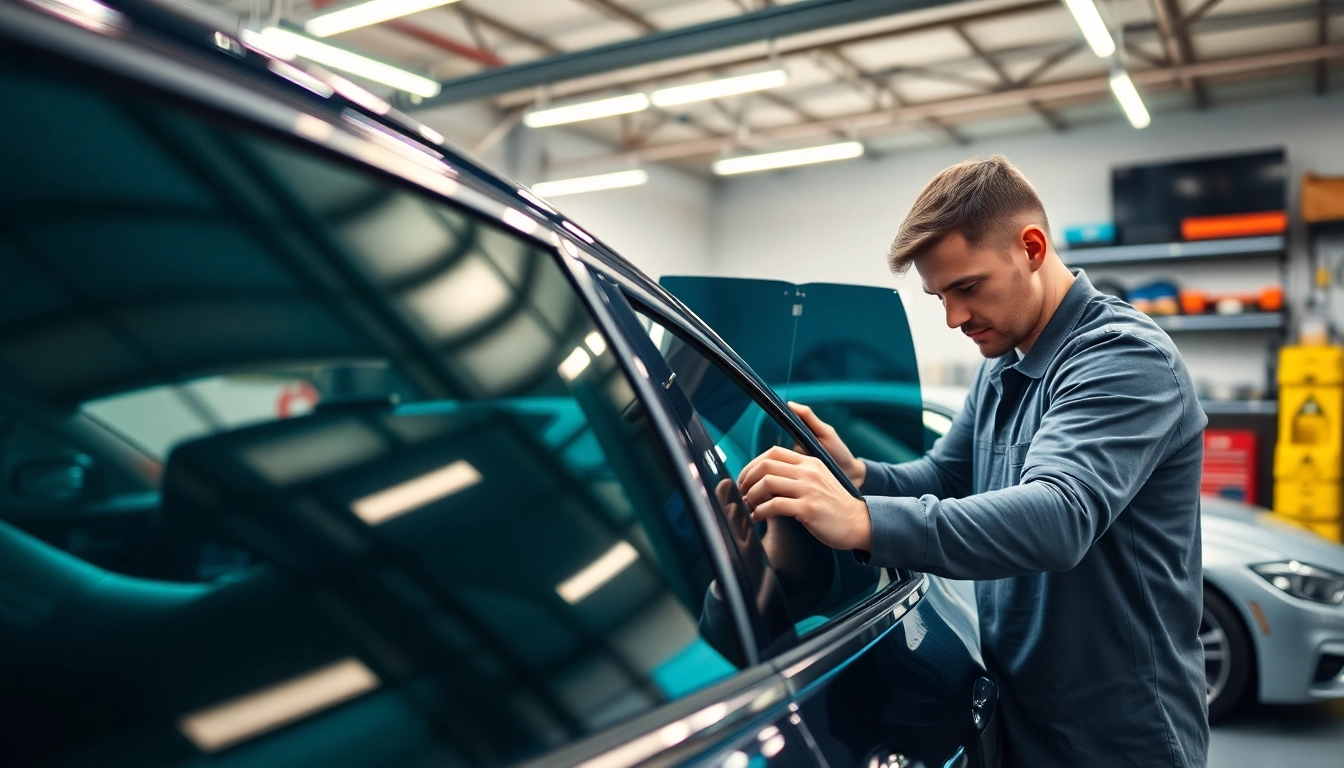
The typical installation process involves the following steps:
- Measure the Windows: Accurate measurements of each window ensure the film fits properly.
- Cut the Film: The tint is cut according to the measurements, allowing for slight overlaps to ensure full coverage.
- Apply Solution: A soapy water solution is sprayed on the glass to help with the positioning of the film.
- Position the Film: The film is carefully placed on the window, starting from one edge and working to the other to eliminate air bubbles.
- Smooth and Trim: Once positioned, use a squeegee to smooth the film and remove excess moisture. Finally, trim any excess film.
- Drying: Allow the film to cure as instructed for the best results.
Aftercare Tips for Window Tint
To maintain the integrity and appearance of your newly tinted windows, follow these aftercare tips:
- Avoid Cleaning: Refrain from cleaning the windows for at least a few days after installation to allow the adhesive to set.
- No Roll-Down: Avoid rolling down windows for several days to prevent lifting or bubbling.
- Use Gentle Cleaners: When you do clean the windows, use a gentle, non-ammoniated cleaner with a soft cloth to avoid scratching.
- Monitor for Issues: Keep an eye out for bubbling or peeling, and contact your installer if any issues arise.
Frequently Asked Questions
What is the lifespan of window tint?
High-quality window tints can last anywhere from 5 to 15 years, depending on the type of film and environmental conditions.
Can I remove window tint myself?
Yes, you can remove window tint yourself, but it can be challenging. Proper techniques and tools can minimize damage to the glass.
Will window tint affect my visibility?
While darker tints can reduce visibility, quality films are designed to offer a balance between privacy and clarity, ensuring safe driving.
How does window tinting impact vehicle resale value?
Professional window tinting can enhance resale value by improving aesthetics and comfort. However, overly dark or poorly done tinting can deter potential buyers.
What should I do if I notice bubbles in my tint?
If you notice bubbles, avoid popping them. Contact your installer promptly, as they can often rectify the issue under warranty.